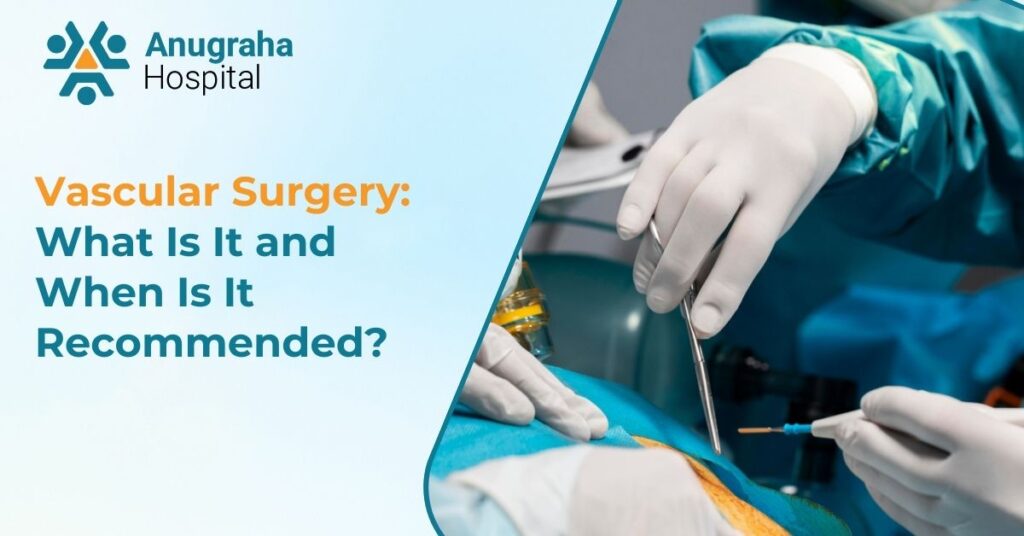
Vascular surgery is often the topic that comes up quite unexpectedly. It’s not something that is talked about during a crisis, but rather in a conversation you didn’t see coming.
An image reveals something strange. The blood is not flowing as it ought to. The doctor says it is under control, and then he mentions an operation almost as a matter of fact. However, that word just stays with you.
The majority of people don’t initiate their search if only to get medical theory. They do so because they are doubtful. Is it that serious? Can it be kept waiting? What does vascular surgery really mean, and why is it the case that it is being recommended now?
Probably, if you are here, you want to understand that point. Not to frighten yourself, but just to comprehend what is happening and what is the usual outcome. This is what we are going to do, step by step, without breaking it down too much.
Understanding Vascular Surgery in Simple Terms
Vascular surgery focuses on treating problems related to blood vessels. These include arteries that carry blood from the heart and veins that bring it back. When these vessels narrow, weaken, or get blocked, blood flow is affected. That is when symptoms begin to appear.
Vascular surgery does not always mean large open operations. Today, many treatments are minimally invasive. Some procedures are done through small cuts using imaging guidance. Others still require surgery, especially when the condition is advanced.
The aim is always the same. Restore proper blood flow, reduce pain, prevent serious complications like stroke, limb damage, or organ failure.
People often assume vascular surgery is only for elderly patients. That is not true. Conditions related to blood vessels can affect people of different ages, especially those with diabetes, smoking history, high blood pressure, or long periods of inactivity.
Common Conditions That Lead to Vascular Surgery
Not every vascular issue requires surgery, but some conditions make it necessary sooner rather than later. You can take early action by being aware of the symptoms.
- Peripheral Artery Disease (PAD)
This is when arteries in the legs become narrow. You may notice pain while walking, which eases with rest. Untreated, it can lead to non-healing wounds or even tissue damage.
- Varicose Veins & Chronic Venous Insufficiency
Twisted, swollen veins aren’t always just cosmetic. They can cause heaviness, pain, skin changes, and ulcers. Surgical treatments improve comfort and prevent complications.
- Carotid Artery Disease
Narrowing of arteries in the neck can increase stroke risk. Surgery can restore proper blood flow to the brain before a serious event happens.
- Aneurysms
These are bulges in artery walls. If left untreated, they can rupture, leading to life-threatening emergencies.
- Deep Vein Thrombosis (DVT)
Blood clots typically occur in the legs’ deep veins. If a blood clot enters the lungs, it can be harmful. To remove the clot and restore normal blood flow, surgery might be required.
When Is Vascular Surgery Recommended?
Not every vascular problem needs immediate surgery. Doctors usually suggest it when:
- Symptoms like persistent pain, swelling, or non-healing wounds are affecting daily life
- Imaging shows blockages or aneurysms that could become dangerous
- Risk of complications such as stroke or limb loss is high
- Non-surgical options like medication or lifestyle changes haven’t worked
- Emergency situations, like a severe clot or ruptured aneurysm, occur
The decision is never rushed. Surgeons weigh your health, symptoms, and scans to suggest what’s safest and most effective.
What Happens Before and After Vascular Surgery
Before treatment, patients usually undergo imaging tests such as ultrasound, CT scans, or angiography. These help map blood flow and pinpoint the problem.
Treatment plans are personalised. Some procedures are completed within a day. Others may require short hospital stays.
Recovery depends on the type of procedure. Many minimally invasive treatments allow patients to walk the same day or next day. Open surgeries may take longer to heal, but regular follow-ups help track progress.
Lifestyle changes are often part of recovery. Managing diabetes, quitting smoking, staying active, and following medication plans improve long-term outcomes.
Vascular Surgery at Anugraha Hospital
At Anugraha Hospital, vascular care is approached with clarity and caution. The focus is on understanding symptoms early, explaining options clearly, and recommending treatment only when necessary.
Patients receive evaluation that looks beyond reports. Attention is given to lifestyle, existing conditions, and future risks. Whether it is managing varicose veins, addressing blocked arteries, or handling complex vascular issues, the emphasis remains on safe and timely care.
Anugraha Hospital continues to support patients seeking dependable vascular surgery without unnecessary delays or confusion.
FAQs
What is vascular surgery?
Vascular surgery focuses on problems in the arteries, veins, and lymphatic system. It attempts to restore adequate blood flow and avoid complications. Procedures can be traditional open surgery or minimally invasive, depending on what the patient needs.
Who needs vascular surgery?
People who have persistent pain, swelling, ulcers, or serious blood vessel issues may require evaluation. Conditions like peripheral artery disease, aneurysms, or varicose veins often bring patients to a vascular surgeon.
Is vascular surgery always a major operation?
Not always. Many procedures today are minimally invasive, which means shorter hospital stays and faster recovery.
Can vascular surgery be done in Chennai?
Yes. Hospitals like Anugraha Hospital offer full services for vascular surgery in Chennai, using advanced techniques tailored to each patient.
How long is recovery?
Recovery varies depending on the procedure. Many minimally invasive treatments allow patients to walk the same day or the next. Open surgeries may need a short hospital stay and follow-up care.
What if surgery is delayed?
Delaying treatment can worsen blood flow problems over time. Symptoms may increase, wounds may heal slowly, and the risk of complications becomes higher.
Final Thoughts
Vascular surgery isn’t something to fear, but it is something to take seriously. Blood flow affects almost everything in the body. Ignoring early signs of pain, swelling, and non-healing wounds can turn small problems into serious ones.
Understanding what vascular surgery involves and when it is needed helps you make informed decisions. Early evaluation often leads to simpler procedures, faster recovery, and better long-term outcomes.
If you notice persistent symptoms or your scans show unusual blood vessel patterns, consult a qualified specialist. Choosing the best hospital for vascular surgery in Chennai ensures you get expert guidance, care tailored to your condition, and peace of mind.