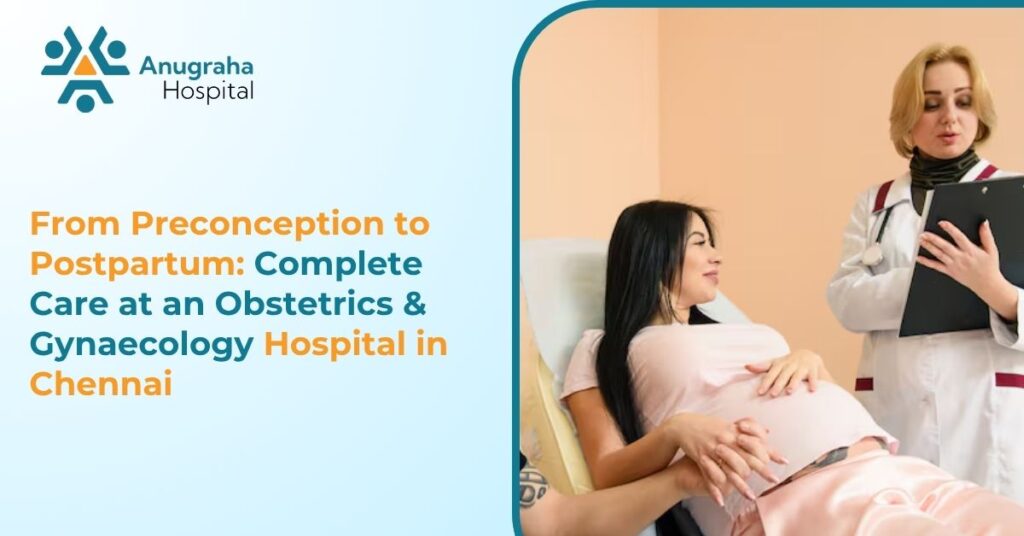
Pregnancy can bring a long list of questions, even before you see a positive test. Is your health ready for pregnancy? Are your medications safe? What tests will you need? And when should you choose a hospital?
These are good questions to ask early. An obstetrics & gynaecology hospital in Chennai can support you from preconception planning through pregnancy, delivery and recovery. Good care isn’t only about being there when labour starts. It means having the right medical guidance at every stage, with a team that knows your health history and understands your changing needs.
Start Before Pregnancy: What Preconception Care Can Catch Early
You don’t have to wait until you’re pregnant to see a gynaecologist. In fact, a preconception visit can give you time to sort out important health concerns before you start trying.
Health Checks Before You Try to Conceive
Your doctor will usually want to understand your health history first. This can include your menstrual cycle, previous pregnancies, existing health conditions and medicines you currently take.
Depending on your circumstances, you may need certain tests or screening during your pregnancy. Finding an issue early gives you more time to address it before pregnancy begins. It also gives you a chance to ask questions you might otherwise keep putting off.

Nutrition, Fertility and Lifestyle Guidance
Preparing for pregnancy isn’t about following a perfect routine. It’s about understanding what your body needs and making sensible changes where they are important.
Your gynaecologist chennai can guide you on folic acid, nutrition, healthy weight and lifestyle habits based on your health. You don’t have to piece everything together from advice on social media. If you’ve been trying to conceive without success, a consultation can also help identify whether further evaluation is needed.
Antenatal Care: What You Should Expect After a Positive Test
Once you’re pregnant, regular antenatal care becomes an important part of the journey. These appointments help your doctor track how you and your pregnancy are progressing, from the first trimester through to delivery.
First Trimester: Confirming and Settling In
Your doctor will usually run blood tests to check your blood group, haemoglobin levels, thyroid function and screen for infections. An early scan confirms the pregnancy, checks the baby’s heartbeat and estimates your due date. This is also when folic acid and other supplements are usually started.
Morning sickness, fatigue and mood changes are common. Mention these during your visits, even if they seem minor.
Second Trimester: Growth and Development Checks
Your doctor will track your baby’s growth, check your blood pressure and monitor weight gain. An anomaly scan, usually done between 18 and 22 weeks, check your baby’s organs and development in detail. Screening for gestational diabetes also happens during this period.
You’ll likely start feeling your baby move around this time. Your doctor will want to know when movements begin and how regular they feel, as this becomes a useful reference later on.
Third Trimester: Preparing for Delivery
Visits usually become more frequent as you approach your due date. Your doctor will monitor your baby’s position, growth and movements more closely, along with your blood pressure and any swelling.
This is also when conversations about your delivery plan begin, including what to expect during labour, warning signs to watch for and when to head to the hospital.
When Pregnancy Needs Specialist Attention
Some pregnancies need closer medical supervision. High blood pressure, diabetes, a history of pregnancy complications or carrying twins can increase the need for monitoring.
Try not to panic if your doctor mentions a risk. Early attention gives your medical team more opportunities to act when needed.
Questions You Should Ask at Every Visit
You don’t need to save every question for a special appointment. You should ask about symptoms, medicines, nutrition, scans and anything that feels different.
It’s also worth discussing warning signs before they happen. Bleeding, severe abdominal pain or reduced foetal movement later in pregnancy need prompt medical attention. So, knowing what to watch for can make you feel more prepared rather than worried.
Choosing the Right Obstetrics & Gynaecology Hospital in Chennai
Choosing your Obstetrics & Gynaecology Hospital in Chennai is a bigger decision than simply finding a convenient location. Pregnancy can be unpredictable, so you want a place that can handle routine care and respond quickly if something changes.
Look Beyond the Delivery Room
You should start by looking at the complete care setup. Does the hospital have obstetrics and gynaecology services along with anaesthesia, neonatal and emergency support?
The doctors are important, but the wider team is also very important. During labour, different specialists may need to work together quickly.
When you’re comparing the best doctors in obstetrics and gynaecology in Chennai, look at more than qualifications. Consider their experience, communication and approach to patient care. Also check whether the best gynaecologist hospital in Chennai has the facilities needed to support their work.
What to Check Before You Register
Before making your decision for the Obstetrics & Gynaecology Hospital in Chennai, ask practical questions. Such as:
- How do antenatal consultations work?
- What delivery options are available?
- What happens if an emergency occurs?
- What postpartum support is provided?
It’s also understanding what your maternity package includes and which costs are separate. A clear conversation about fees can save you confusion later.
Think about accessibility too. Regular appointments become much easier when the hospital is convenient to reach. Clean facilities, responsive staff and clear communication can make a real difference during a busy and emotional time.
Delivery and Postpartum Care: The Support Shouldn’t Stop After Birth
IT’s easy to think of delivery as the last thing. But it isn’t. Once your baby arrives, your own recovery begins, and you’ll still need medical support.
Personalised Delivery Support
There isn’t a single delivery method that’s right for every woman. Your obstetrician will consider your health, your baby’s condition and how labour progresses.
A vaginal delivery may be suitable in some cases. In others, a caesarean delivery may be the safer choice. The decision should be based on medical circumstances rather than pressure to follow a particular birth plan.
During labour, monitoring helps your team understand how you and your baby are doing. If something changes, they can respond accordingly.
Recovery, Breastfeeding and New-Mother Support
The first few weeks after delivery can be physically demanding. You may have questions about pain, bleeding, wound healing, breastfeeding or simply whether what you’re experiencing is normal.
Postpartum follow-ups give a chance to discuss these concerns instead of trying to figure everything out yourself.
Breastfeeding guidance can also be useful, especially during these early days when feeding doesn’t always go exactly as expected. If your baby needs additional medical attention, paediatric or neonatal support may also be available.
Good postpartum care gives you space to recover while making sure concerns don’t go unnoticed.
How Continuity of Care Can Make Pregnancy Easier
Pregnancy involves a lot of information. Tests, scans, medical history and changing symptoms can quickly become difficult to keep track of.
Staying with the same healthcare team can make that process simpler. Your doctors already have access to your previous consultations and test results. They can see how your pregnancy has progressed rather than treating every appointment as a fresh start.
This can be especially helpful if you’ve had pregnancy complications before or need closer monitoring.
Most importantly, you know who to turn to when something doesn’t feel right. That familiarity can make the entire experience feel less fragmented.
In Summary
Pregnancy doesn’t begin with your first scan, and maternity care shouldn’t end when your baby is born. From preparing for conception to recovering after delivery, each stage comes with different needs.
When choosing an obstetrics & gynaecology hospital in Chennai, look for experienced doctors, appropriate facilities, emergency support and meaningful postpartum care. You should also feel comfortable asking questions and discussing concerns openly.
If you’re planning a pregnancy or already expecting, Anugraha Hospital can help you understand the care available for your needs. Speak with our team and plan your pregnancy care with the right support from the beginning.
FAQs
When should I visit a gynaecologist before planning pregnancy?
You can schedule a preconception consultation before you start trying. Your doctor can review your health, medicines, nutrition and previous pregnancy history.
How often should I visit an obstetrician during pregnancy?
There isn’t one schedule that suits everyone. Your visits will depend on your stage of pregnancy, health and whether your pregnancy needs additional monitoring.
What should I look for in a gynaecologist hospital in Chennai?
Look at the doctors, maternity facilities, emergency support, neonatal services and postpartum care. Accessibility and how comfortably the team at a gynaecologist hospital in Chennai communicates with you are also is vey important.
When should I choose a hospital for delivery?
It’s sensible to research your options during pregnancy rather than leaving the decision until the last few weeks. This gives you time to compare doctors, facilities, care options and costs.